
Each one is a core operation we rebuilt as an AI-native system, and what the business could do once it ran.
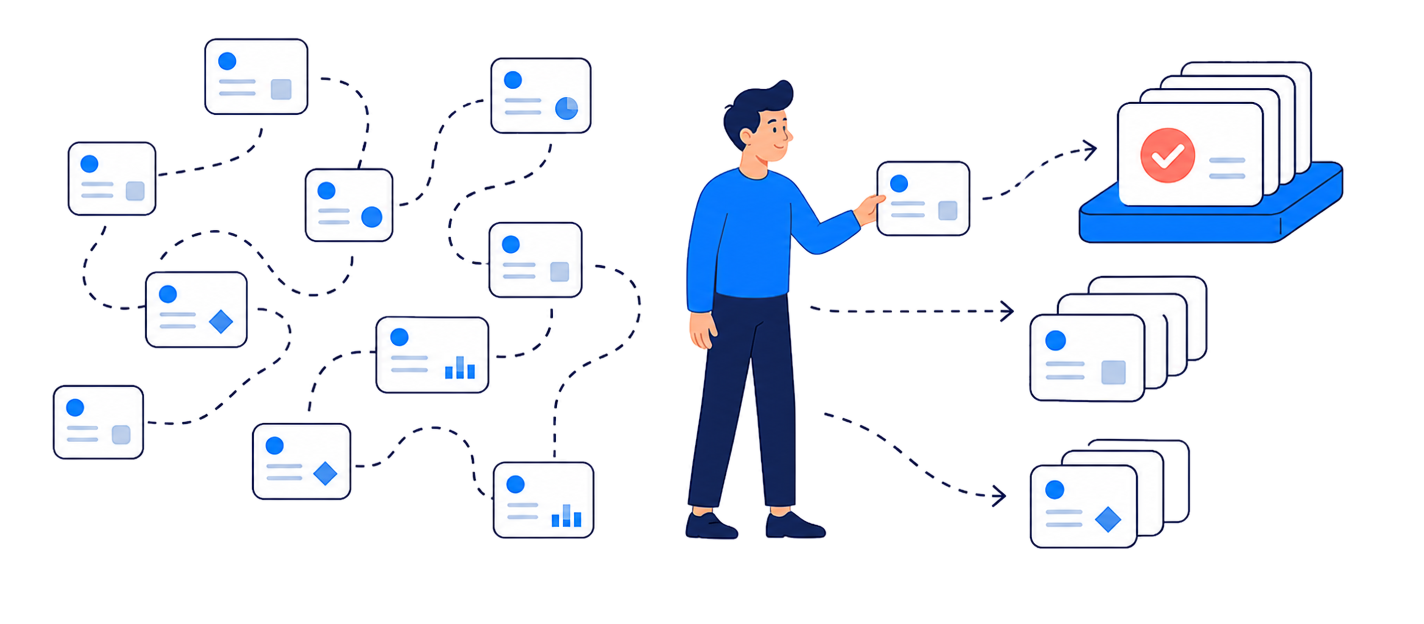
12 competing AI opportunities became one governed portfolio: 5 funded first, 4 deferred, 3 parked, and foundations built once for every later initiative.

Know-how that lived with experienced employees became explicit, validated target processes, so automation teams received approved process logic before design began.
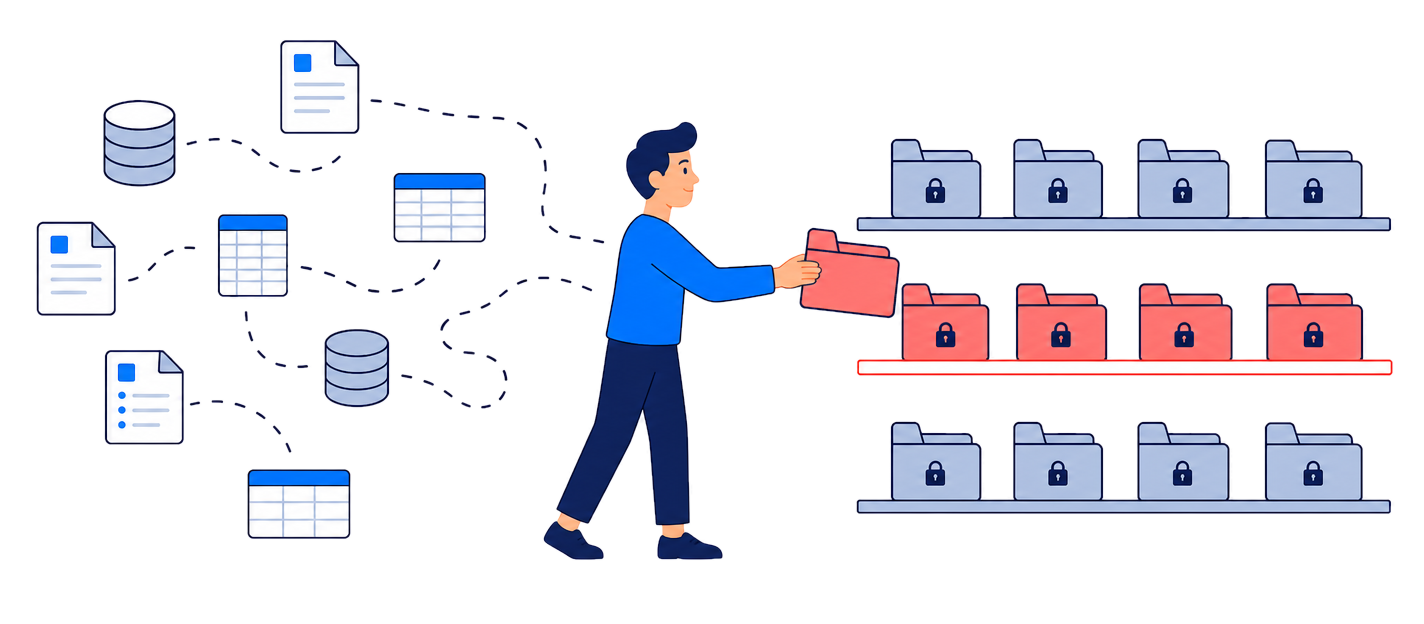
27 sources classified by authority, owner and retrieval method, and 11 governed collections instead of one corpus, before committing to a large retrieval platform.
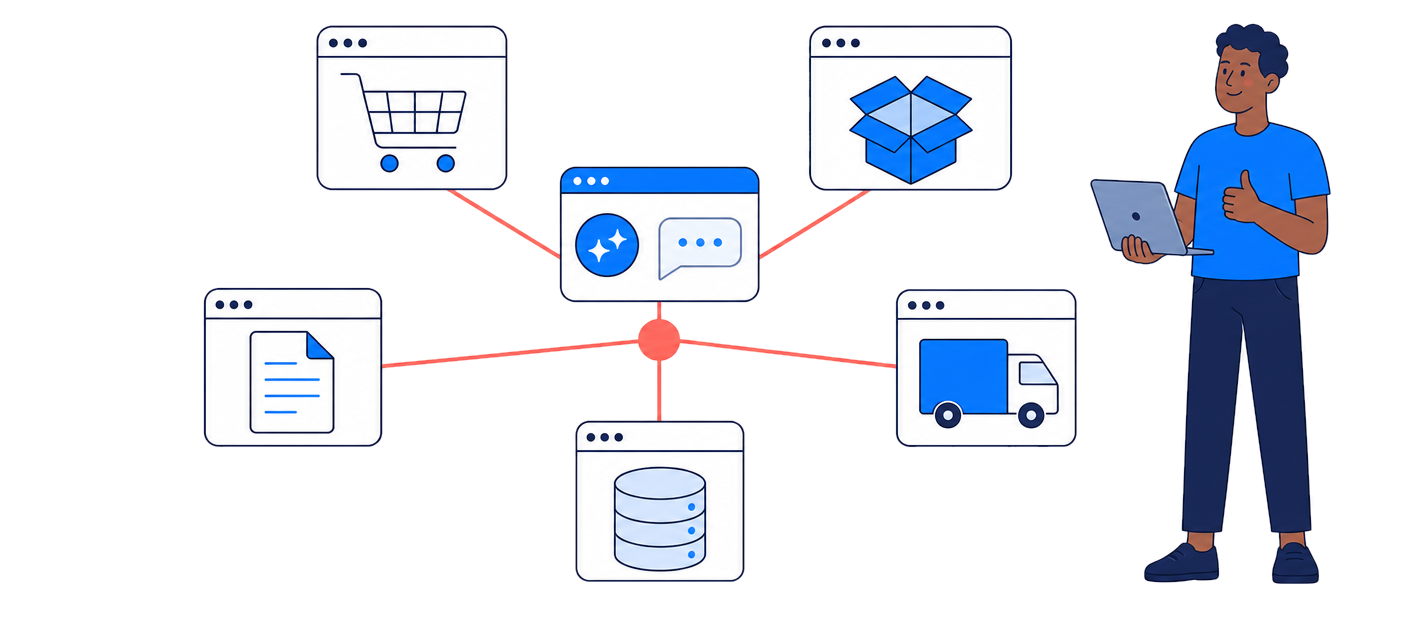
34 business-level interactions over 9 systems and knowledge services, so ChatGPT, Copilot and Llama-based applications reach the same approved tools.
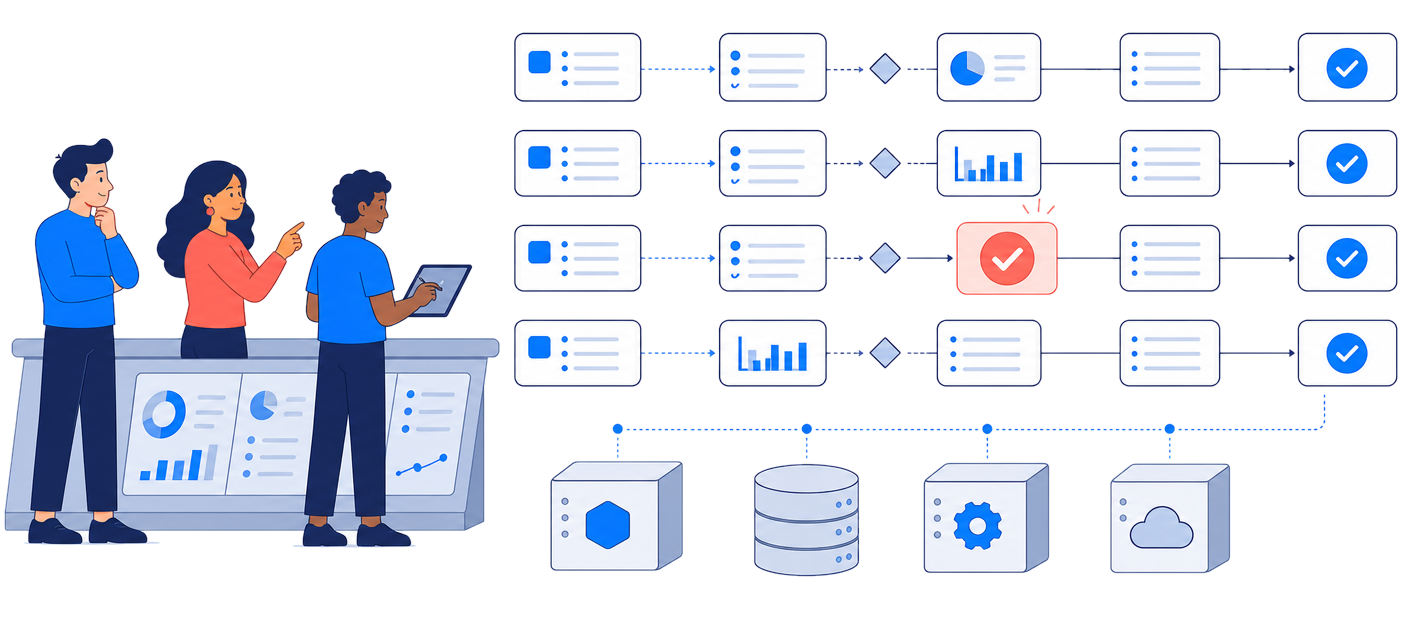
One execution layer put 4 operating areas into production AI on the existing systems, with consequential decisions kept at human checkpoints.
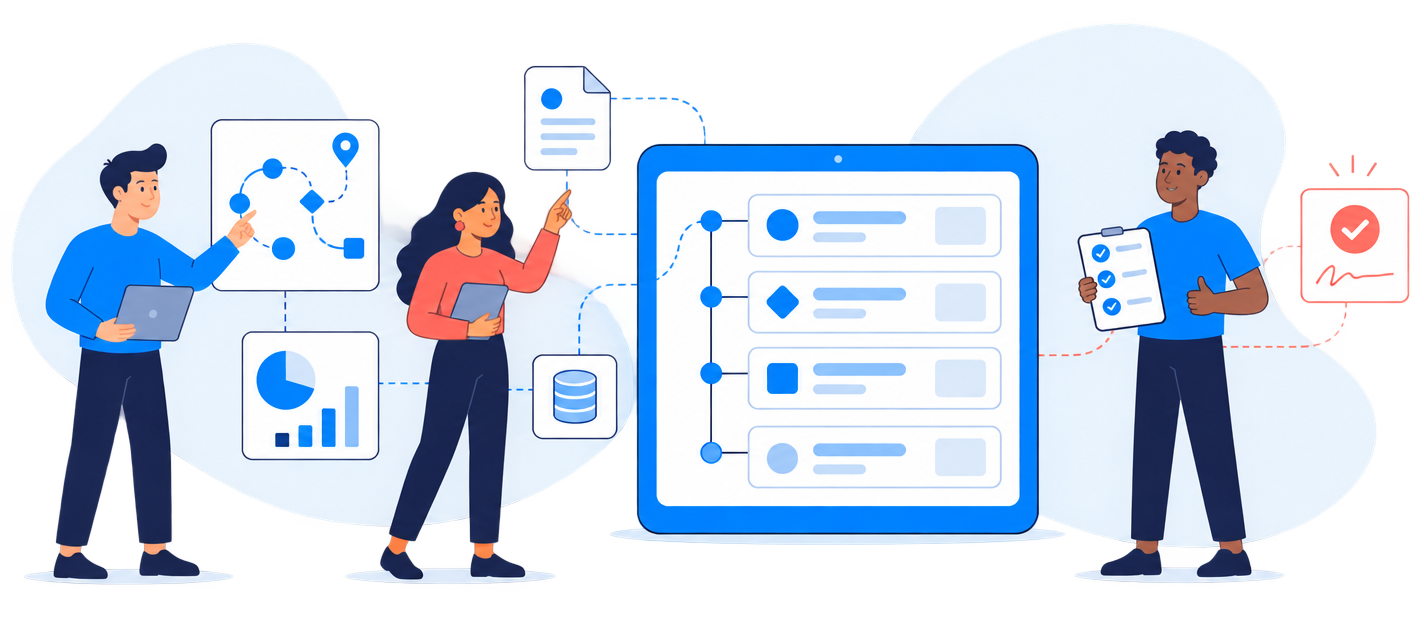
Process redesign, governed knowledge and automated preparation became one connected operating model, so growth stopped requiring proportional clinical hiring.

Experience-dependent handoffs, readiness rules and professional authority became one validated operating model, so growth no longer meant recreating the correct path case by case.

Fragmented procedures, insurer requirements and undocumented know-how became governed guidance with an owner, a scope and a review date, so a routine answer no longer meant finding the right colleague.

Routine case preparation ran across the existing systems, so the same clinical team absorbed a peak above 2,500 cases a month without seasonal hiring.
We will map the process, identify what should be solved with ordinary software and deterministic automation, determine where AI adds real value, and define the safest path to measurable improvement.