
AI Strategy
Agile Workshop vs. Software Factory: Which Model is Better for Your Team?
Which delivery model fits your team — the speed and flexibility of a workshop, or the scale of a factory.

Practical guidance for leaders building AI into business execution: strategy, process, knowledge, automation, quality, and governance.
Which delivery model fits your team — the speed and flexibility of a workshop, or the scale of a factory.

Blend firm constraints with flexible guides to keep AI safe without making it useless.
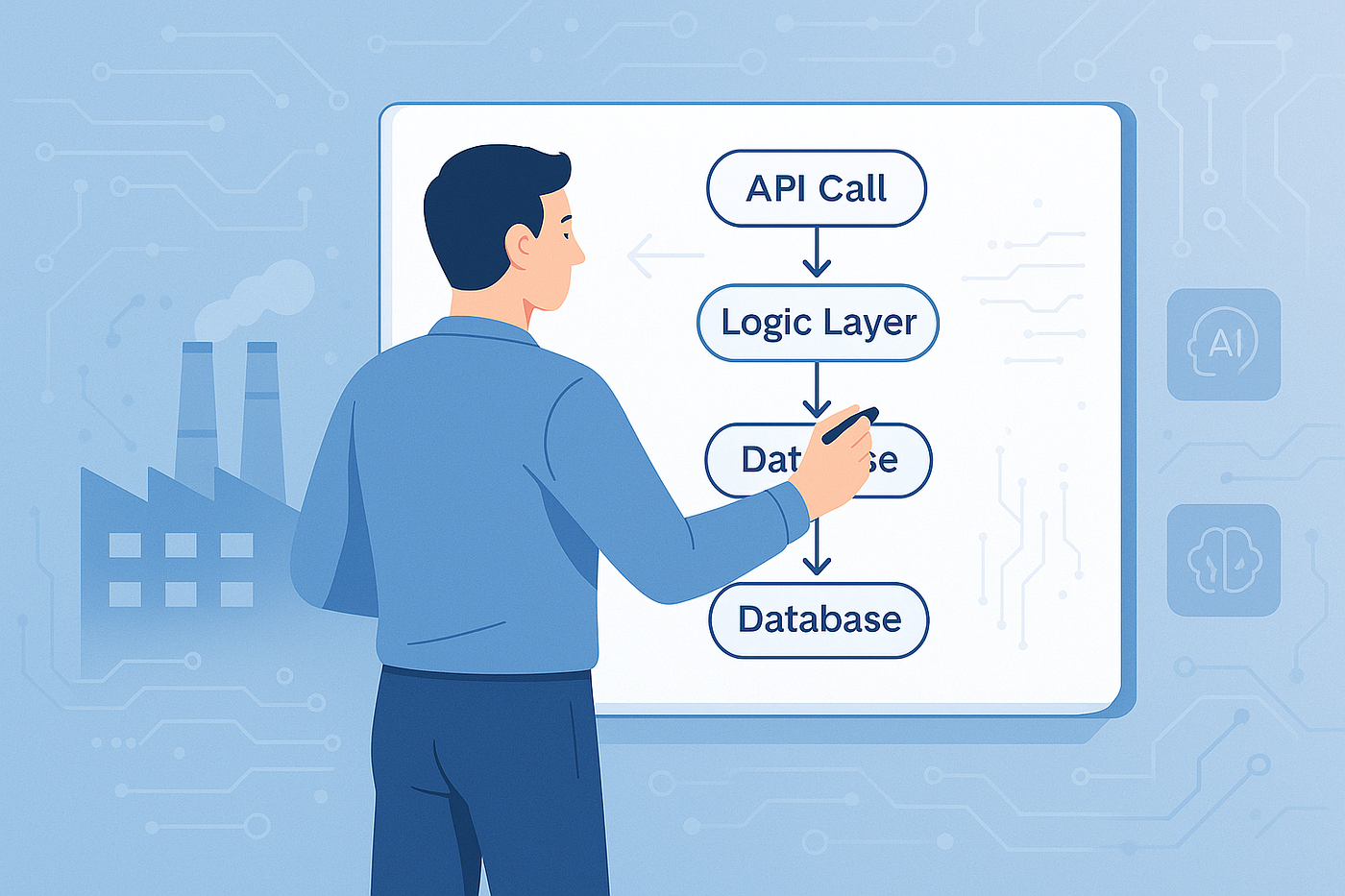
Start from the outcome and let AI work backward — a cleaner, more reliable way to build with AI.
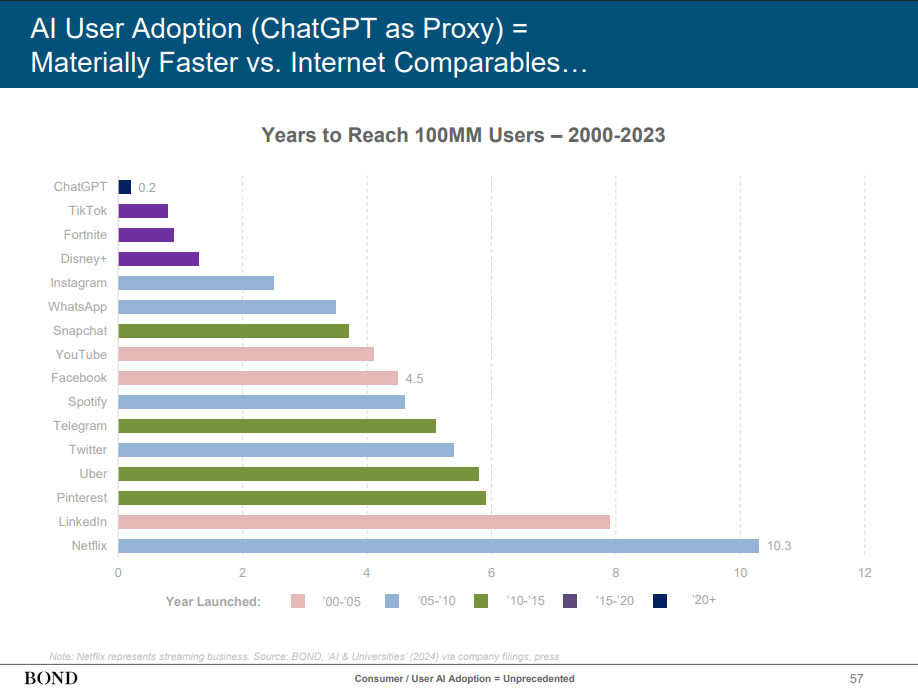
Most companies rush adoption without the structured data, processes, and infrastructure to scale it.

AI automates development, lifts quality, and compresses the decision loop past the cadence Agile was built for.
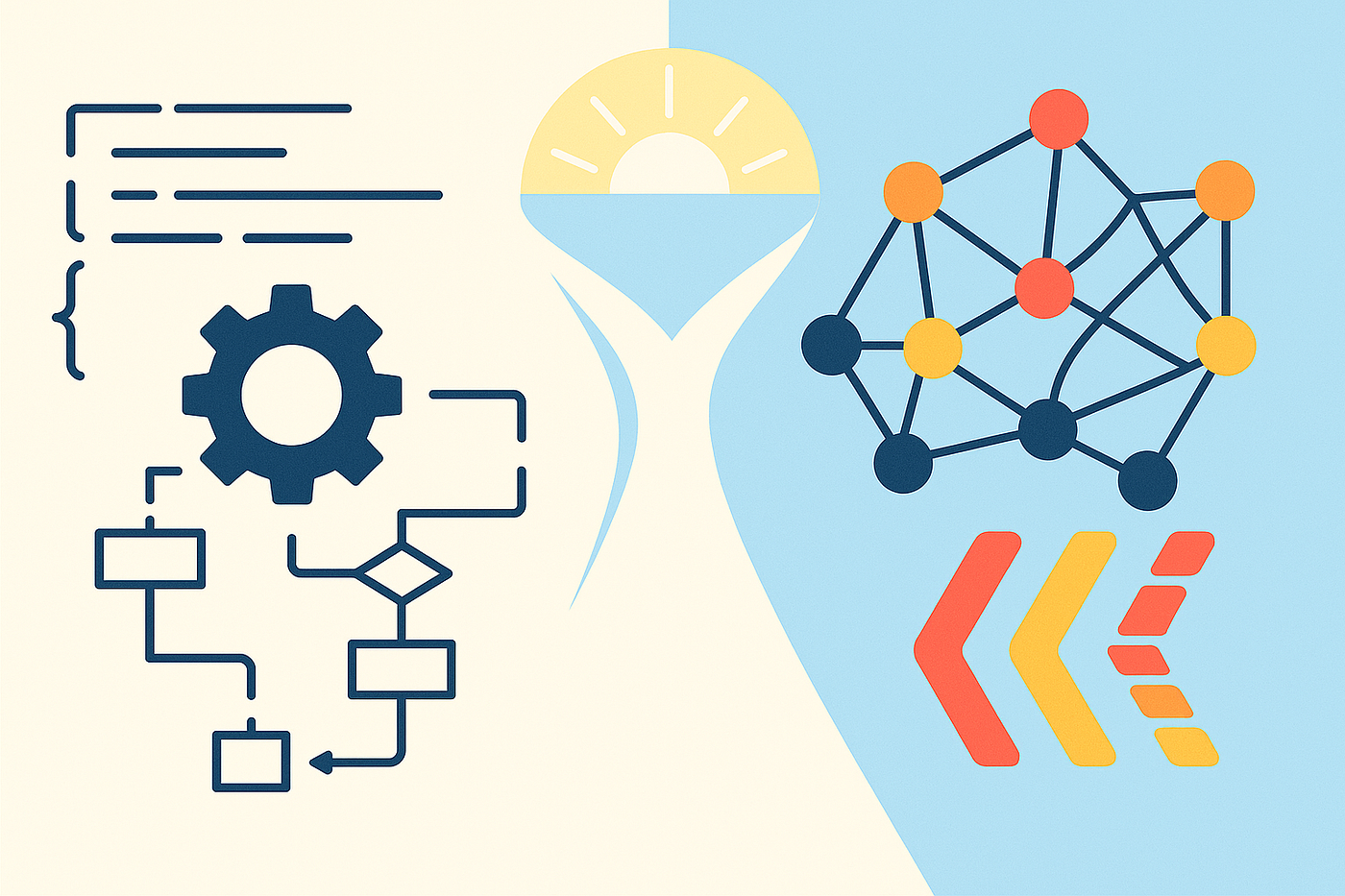
Vibe coding, reframed: AI programming as a disciplined way to develop software, not a shortcut around it.

The four principles that actually define a software factory — and separate it from a buzzword.
Why fuzzy, conflicting definitions of the software factory are holding the whole industry back.

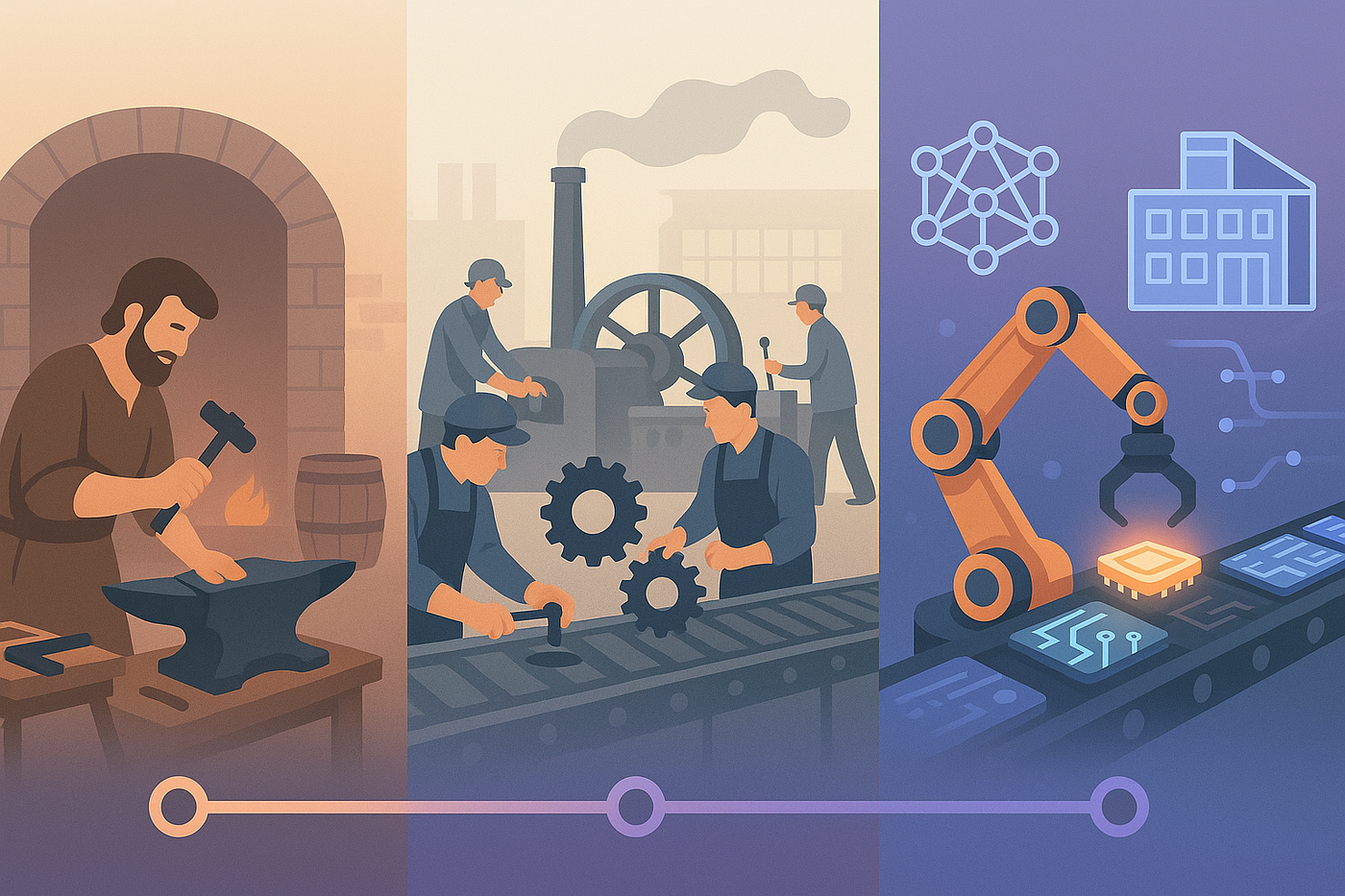
From craft to factory — the manufacturing eras of software, and how to unlock the stage where it finally scales.

A simple, repeatable loop to measure and steadily lift the quality of AI-generated content.

A practical way to calculate the quality bar AI has to clear before you let it run unsupervised.

Combining software development and AI automation to cut cost and speed time-to-market.

A framework for leaders — from basic task automation to fully autonomous, governed systems.
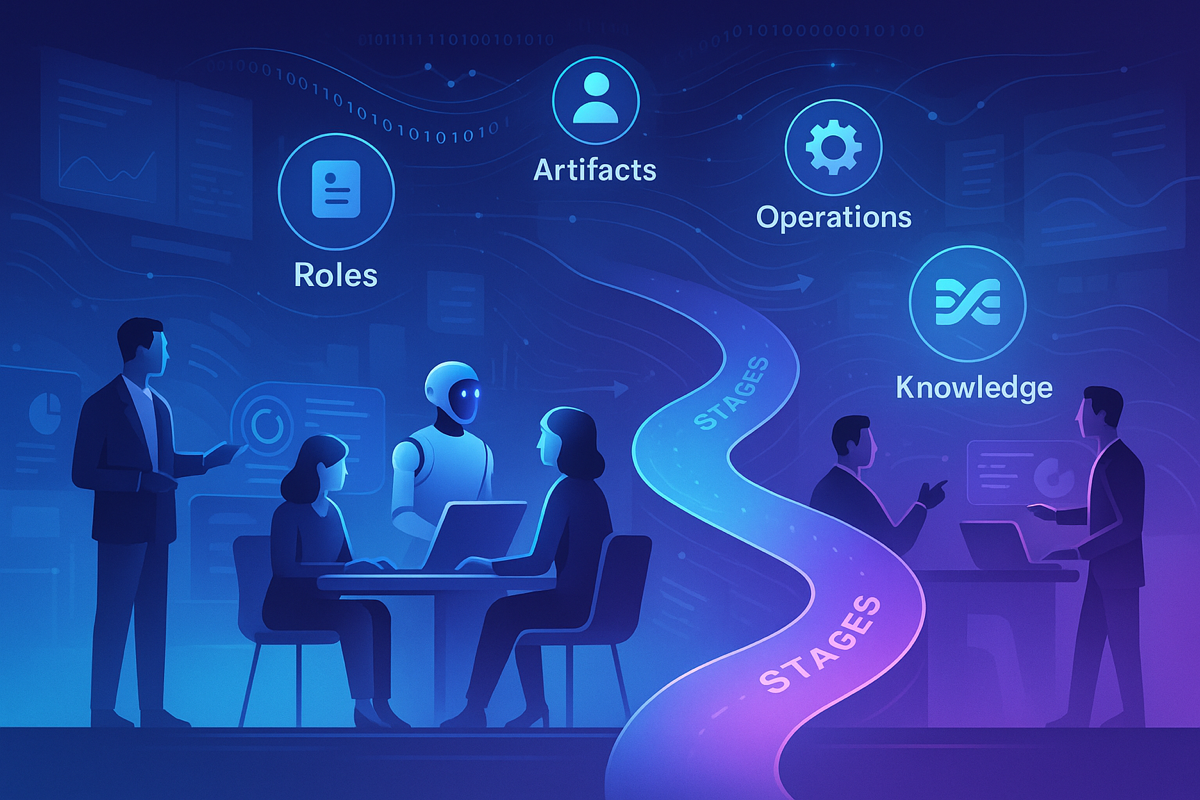
A clear framework that takes automation leaders from first idea to autonomous, governed operations.

A walk-through of how we used the roadmap to automate content creation end to end.

A clear path from manual labor to lights-off operations — and an honest read on where most companies actually sit today.

A precise definition of the AI agency model — and why clear terminology improves alignment, decisions, and trust.

How a disciplined software factory ships a production-ready microservice every single day.

Turning hours of manual analysis into near-instant, trustworthy insight with the right AI pipeline.

When we define AI terms intentionally, we sharpen thinking, collaboration, and strategy across the whole organization.