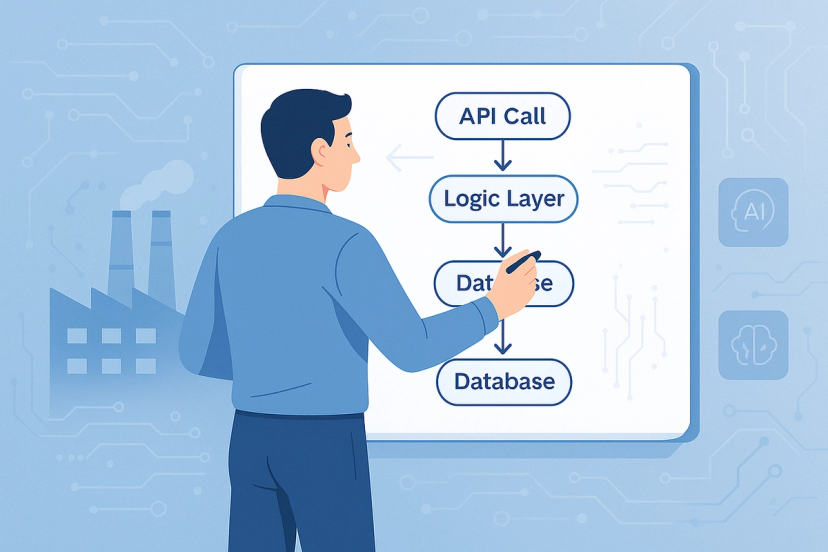
Why, despite all its immense power, do developers still use AI for simple tasks like writing unit tests or filling in small methods and yet achieve only mediocre results? The answer isn’t about what AI can or cannot do. It’s about the chaotic environments we’ve built around it.
The Real Problem Isn’t AI — It’s the Agile Culture
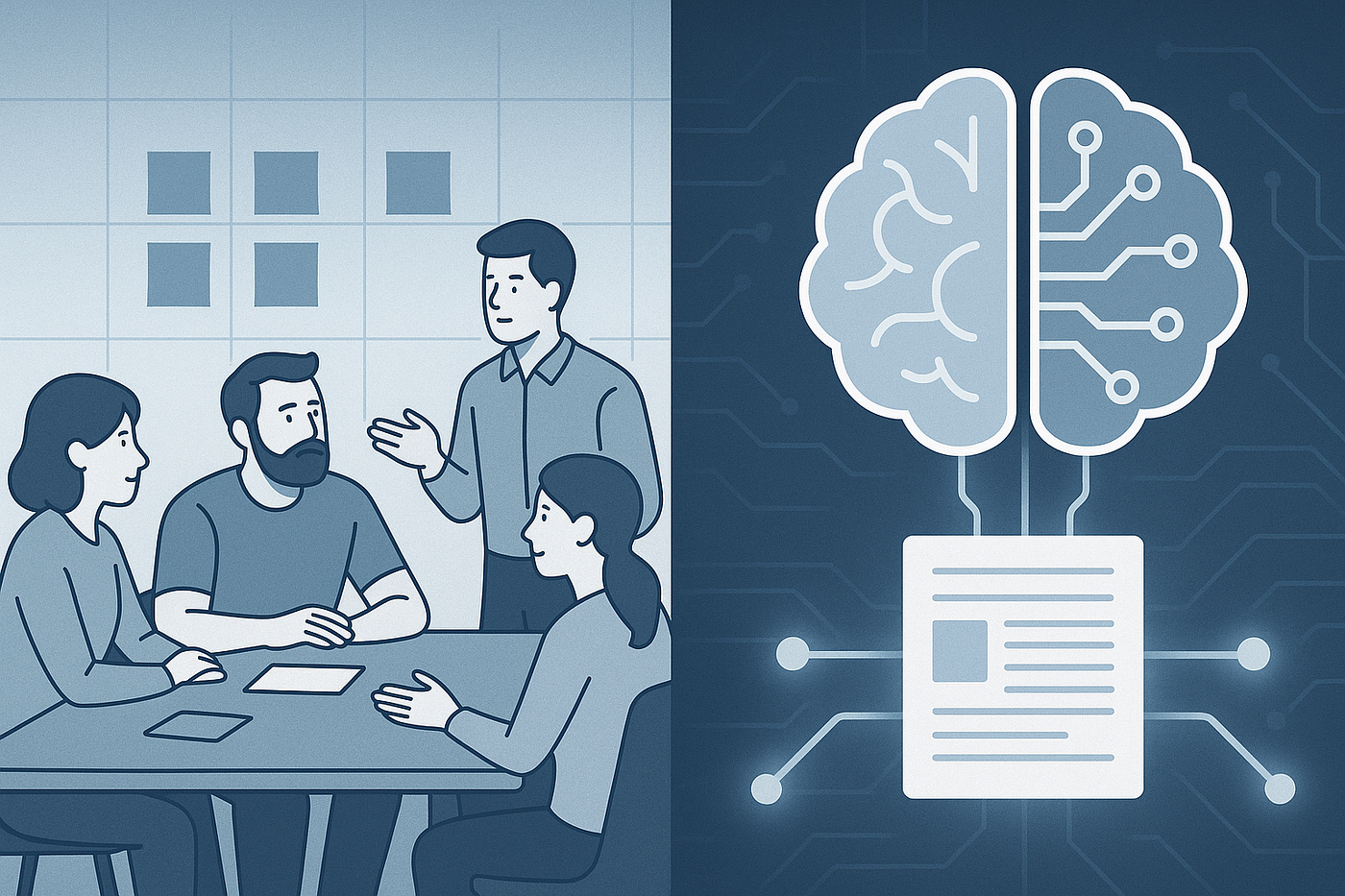
For years, Agile has shaped the way teams build software. One of its founding principles is clear: “We value individuals and interactions over processes and tools.” This philosophy empowered teams to move fast, communicate freely, and avoid the heavy burden of documentation. But today, what once fueled speed is now creating friction. AI doesn’t “communicate” the way humans do. It doesn’t intuit missing information or fill in the blanks based on hallway conversations. AI needs structured, precise, and complete input to perform at its best.
Why Agile’s Anti-Documentation Legacy Hurts Us Today
In the early days of Agile, rejecting documentation made sense. Writing high-quality documentation took enormous time and effort — and even when it was written, people rarely read it. It was faster and more efficient to talk through things in meetings and adapt on the fly. But with AI entering the development scene, everything changes. Today, writing structured documentation is no longer tedious. With AI’s help, documenting requirements, designs, and system behaviors can be almost effortless. And even more importantly: humans no longer need to read all of it. The primary consumer of this documentation is now AI itself. It needs that structured context to build complex, coherent systems. It doesn’t matter if human teammates read every word; what matters is that the information exists in a way AI can access, understand, and work with.
No, AI Can’t Just Listen In

Some believe that AI will soon become good enough to “sit in” on meetings, absorb team discussions, and infer what it needs to know. That idea is dangerously optimistic. Meetings are fragmented, ambiguous, and partial. Different AI agents listening to the same conversation might draw very different conclusions — leading to incoherent, conflicting components. In large systems, where dozens of AIs might collaborate on building different parts, this inconsistency would cause chaos long before the first release. The solution is clear: AI needs a single, well-defined source of truth. Requirements, architecture decisions, design constraints — everything must be documented and formalized, not left scattered across human conversations.
Post-Agile: Documentation Returns — and This Time, It’s Non-Negotiable
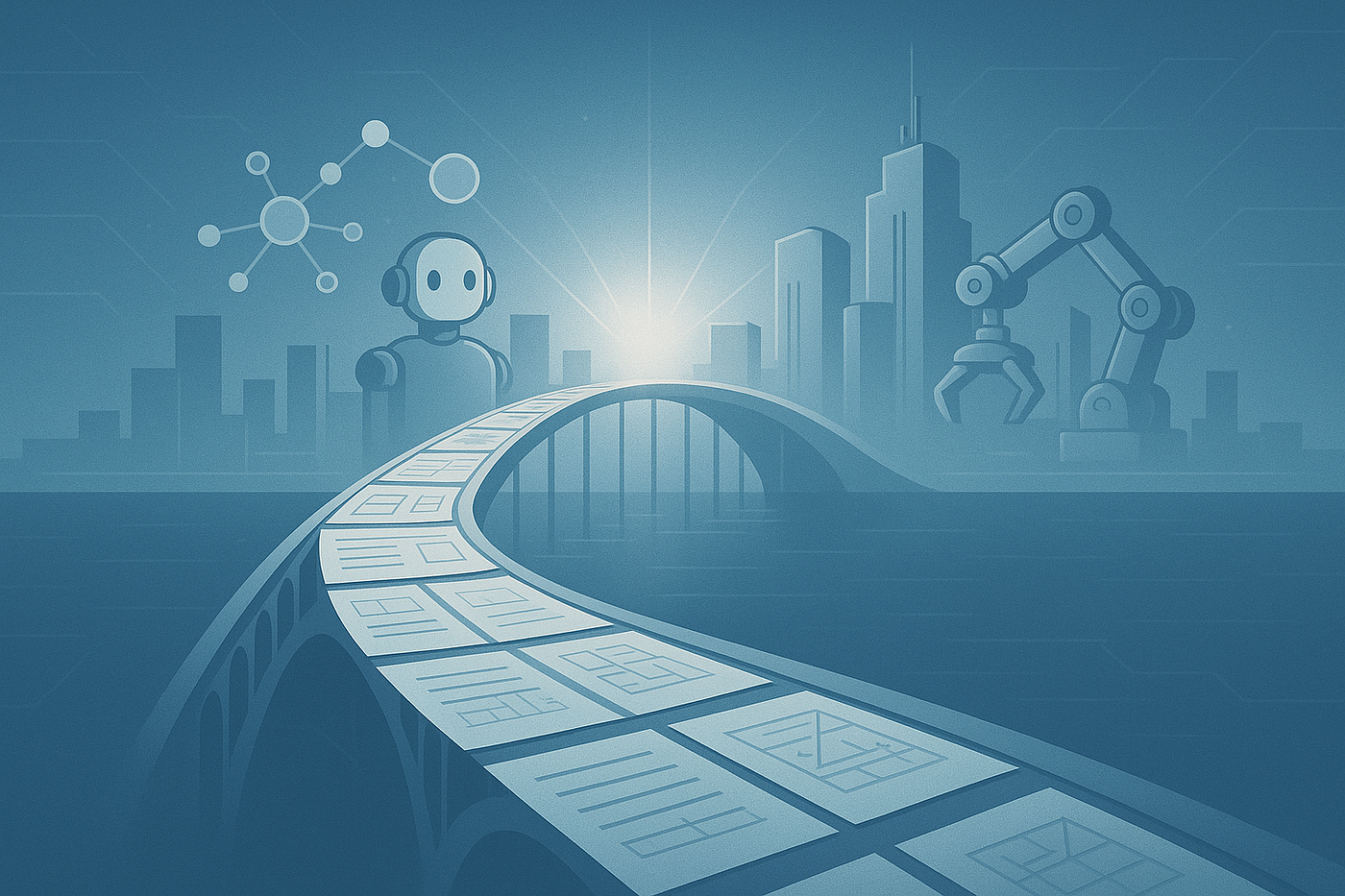
This leads to a profound shift that many are calling Post-Agile. It’s not about abandoning Agile’s core values of adaptability and collaboration. It’s about recognizing that the way we support these values must evolve. In Post-Agile, structured documentation and clear processes aren’t bureaucracy. They’re infrastructure. They empower AI to generate complex systems, maintain coherence across projects, and unleash the true potential of automation. In this new era, documentation is not a “nice to have” — it’s mandatory for any organization that wants to get real, meaningful value from AI-driven development. Agile taught us that heavy documentation slows us down. Post-Agile teaches us that proper documentation, generated and consumed efficiently with AI, is what enables us to scale faster and smarter than ever before.
The choice is clear: adapt, formalize, and thrive — or stay chaotic and watch AI’s true potential slip through your fingers.